
Reviewed · NEW YEAR'S EVE CELEBRATIONS
Celebrate Unique Japanese New Year Tradition Culture Festivity
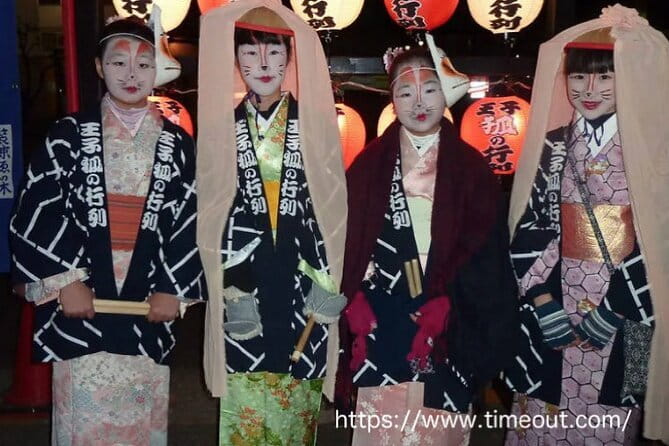
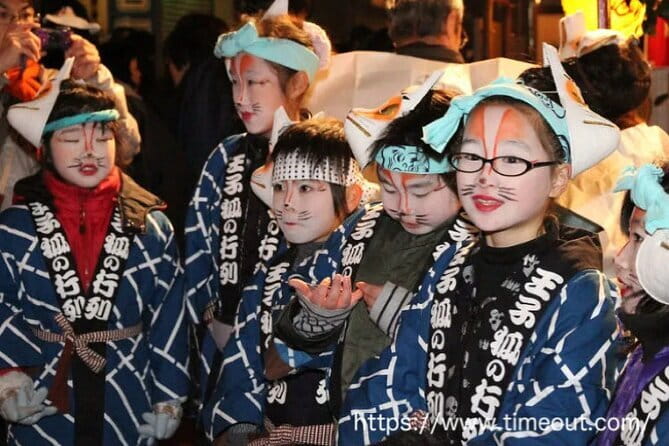
Oji’s New Year celebration is built around a wonderfully odd old tale: foxes from across the region supposedly gathered at Oji Inari Shrine on New Year’s Eve. Today, locals bring that story to life with yellow lanterns, fox masks, kimono, and makeup, ending in a procession and traditional dances.
I like the way the experience links three local shrines with a proper neighborhood izakaya stop. I also like the sake lesson, five kinds of snacks, and free-flow drinks, which make the $106.74 price easier to understand. The main concern is group size. Although the stated limit is 30, one report described a group of more than 50 and found it intrusive around the shrines.
Key points to know before booking
- Fox folklore becomes a midnight pageant: Expect lanterns, fox costumes, traditional dances, and a powerful lion dance.
- Three shrines come before the party: The host provides local context rather than taking you straight to the main event.
- Sake is part of the meal, not just a quick sample: You learn about brewing, taste sake, and receive five kinds of snacks.
- The $106.74 fee includes drinks: Adults receive free-flow sake, beer, and other alcoholic drinks, while underage participants receive soft drinks.
- The crowd size deserves attention: The advertised maximum is 30, but you should confirm the current arrangement before paying.
- The listed start time needs checking: The event is described as a New Year’s Eve activity, yet the supplied details show an 8:30 am start.
Why Oji’s fox story makes this New Year event different
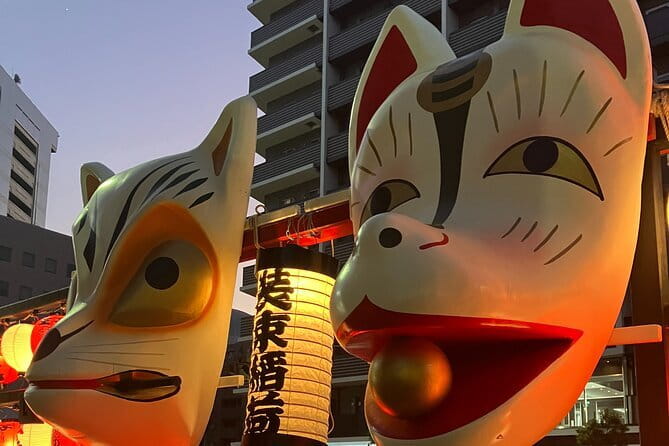
Tokyo has plenty of large New Year gatherings. This one has a more unusual hook. The story says that foxes came from across the region to visit Oji Inari Shrine on New Year’s Eve, using foxfire to light their way.
That legend was captured in ukiyo-e artwork by Utagawa. Local residents later turned the idea into the Oji Fox Pageant. More than 200 participants can take part in the public procession, carrying yellow lanterns that represent foxfires.
You are not simply watching a countdown in a city square. You are seeing a local folktale given a modern public form. That matters because the event connects the shrine, the neighborhood, traditional costumes, old artwork, and present-day celebration.
The pageant also gives you something easy to understand even if your Japanese is limited. Fox masks and makeup tell the story visually. Lanterns create a clear focal point. The dances provide movement and sound. You can enjoy the spectacle first, then learn the background from your host.
More New Year's Eve Celebrations in the world
- Vienna: Christmas & New Year’s Concert in St. Peter’s Church
★ 4.6 · 763 reviews - Christmas and New Year Concert at St. Peter’s Church in Vienna
★ 4.5 · 155 reviews - London: Festive New Year’s Eve 4-Course Dinner Cruise
★ 4.3 · 16 reviews
Meeting at JR Oji Station and visiting three shrines
The experience begins at the north entrance of JR Oji Station, at 1-chōme-10-18 Ōji in Kita City. Since the activity ends back at the same meeting point, the station is also your practical reference point for the evening.
Your host takes you to three local shrines. The supplied details do not name the individual shrines or guide, so you should not expect a celebrity-led tour or a fixed list of personalities. The useful part is the neighborhood setting. You see the religious places tied to the New Year tradition before the crowds gather for the pageant.
Shrine visits in Japan are often brief but meaningful. You may see people making offerings, bowing, or following familiar rituals. The tour gives you a host who can explain what you are seeing and how the sites connect to local life.
This section is also where group size matters most. A group of 30 is already large for a small shrine approach, especially at a busy holiday gathering. One account described a group of more than 50 and felt that it took over the area and seemed disrespectful. That is a serious concern, not a minor complaint.
The provider says it has worked with local tourism associations and the pageant organizing committee since planning began. That suggests the event is intended to welcome international participants. Still, permission from local organizers does not guarantee a quiet or intimate visit. Ask how many people are assigned to your departure and how the shrine visits are managed.
An izakaya break with sake, beer, and five snacks
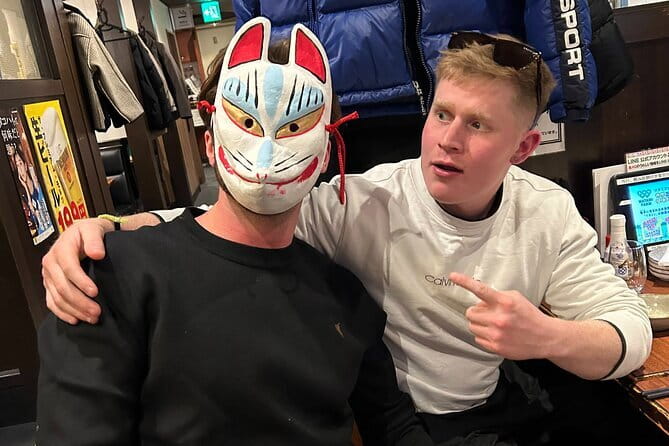
After the shrine visits, the group heads to a cozy izakaya. This is a good change of pace. Instead of spending three hours standing outside in winter, you get a warm place to sit, eat, and prepare for the midnight program.
A sake sommelier explains how sake is brewed before the tasting begins. The experience includes sake served in hinoki cypress masu cups, square wooden cups traditionally associated with sake. The cypress adds a pleasant wood scent and gives the toast a distinctly Japanese feel.
You taste sake and receive five kinds of snacks. The listed food includes edamame, fried chicken, and French fries, with other snacks also described as part of the selection. This is casual izakaya food, not a formal meal. If you want a full dinner, do not assume these snacks will replace it.
Adults receive free-flow sake, beer, and other alcoholic drinks. Participants under the legal drinking age receive soft drinks instead. That inclusion has real value at a New Year event, when separate drinks can quickly push up the cost.
Still, free-flow alcohol is best treated as an option, not an obligation. The sake lesson gives the tasting some structure, but the experience is also social. You can try several drinks, eat a little, and keep your energy for the outdoor procession.
What the sake lesson adds to the evening
Sake can be confusing if you encounter it only as a small glass on a restaurant menu. The brewing explanation gives you a basic framework before you taste. You learn that the drink is part of a larger food and craft tradition, rather than just another alcoholic option.
The use of hinoki masu cups adds another small but useful detail. The cup is memorable, easy to handle, and connected to Japanese drinking customs. It also makes the opening toast feel more special than a standard bar service.
The supplied details do not identify the five sake varieties or provide a tasting sheet. That means you should book this for a friendly introduction, not for a technical class aimed at serious sake collectors.
I like this balance. You receive enough explanation to notice differences between the samples, but the evening does not sound like a lecture. The snacks and free-flow drinks keep the mood relaxed before the main event.
Same town, a different sort of December evening:
- London: Christmas Lights Bus Tour With Live Guide
★ 4.0 · 5,410 reviews - London by Night Bus Tour with Christmas Lights and Live Guide
★ 4.5 · 2,040 reviews - Paris: Tootbus Open-Top Christmas Bus Tour
★ 4.0 · 1,365 reviews - NYC: Dyker Heights Christmas Lights & Skyline View Bus Tour
★ 4.7 · 1,192 reviews
Reaching the fox procession before midnight

After the food and tasting, the host takes you to the starting point of the fox procession. This is an important practical feature. You are not left to find the pageant on your own during one of Tokyo’s busiest holiday nights.
The procession is the reason most people will consider this activity. More than 200 participants may carry yellow lanterns, wear kimono, use fox masks, or apply fox makeup. The result should feel more like a community festival than a staged theater performance.
You can expect traditional dances as part of the finale, including a powerful lion dance. Lion dances are common at Japanese celebrations and are often linked with good fortune and protection. Here, the dance gives the night a strong visual finish after the quieter shrine visits and seated sake tasting.
The exact viewing position is not stated. You are taken to the starting point, but that does not necessarily mean you receive a reserved place or an unobstructed view. A large public procession can be crowded, and your ability to see may depend on where the group arrives and how the crowd is arranged.
That uncertainty is worth accepting if you enjoy public festivals. If you need a guaranteed front-row view, this is not the right format.
Is $106.74 a fair price?
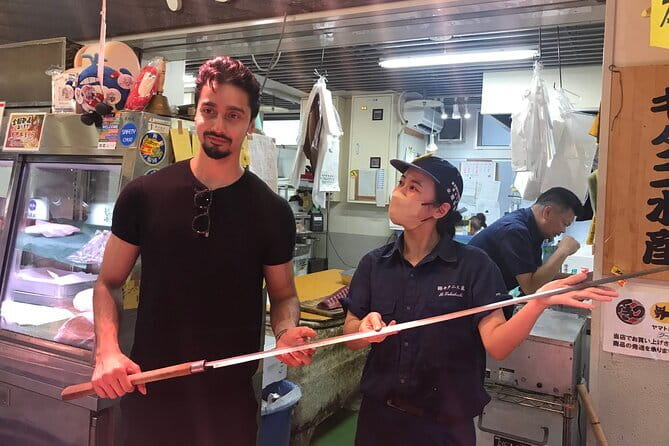
At $106.74 per person, this is not a cheap shrine walk. The value comes from combining several separate pieces: a host, three shrine visits, a sake lesson, a tasting, five kinds of snacks, free-flow drinks, help reaching the procession, and the New Year event itself.
If you tried to arrange the same evening on your own, you could visit Oji, find the shrines, pay for food and drinks, and locate the procession independently. That might cost less, but you would lose the explanations and the convenience of being guided to the event’s starting point.
The price makes more sense for someone who wants an organized evening and plans to drink. It makes less sense if you do not consume alcohol, prefer a quiet cultural walk, or mainly want to watch the fox procession. Non-drinkers still receive soft drinks and snacks, but alcohol is a major part of the package.
The experience is about three hours, which is a compact length for New Year’s Eve. You get several activities without committing an entire day. However, the listed start time of 8:30 am does not fit naturally with an event described as an evening celebration approaching midnight.
Treat that time as something to confirm directly before booking. It may be a data error, a seasonal schedule issue, or a timing detail that is not fully explained. Do not arrive at Oji Station assuming the listed hour is correct without checking your confirmation.
Group size, shrine manners, and the main risk
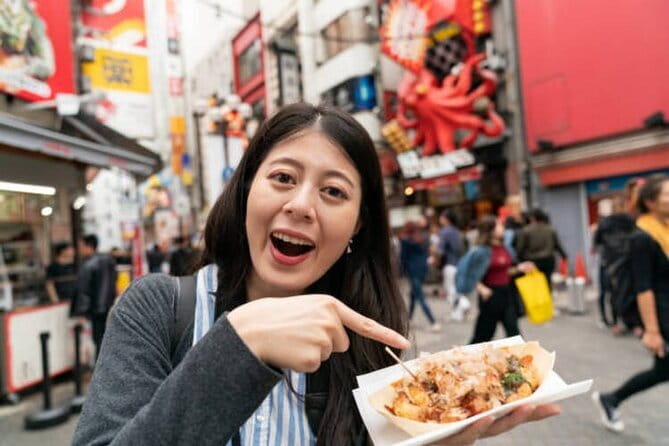
The stated maximum is 30 participants. For a city tour, 30 is manageable. For three shrines and a local procession, it can still feel substantial, especially if everyone gathers around a small entrance or walking route.
The strongest negative account concerned a group of more than 50. The person felt embarrassed when people pointed at the group and believed the gathering took over the shrine spaces. You should take that warning seriously because respectful behavior is central to this kind of experience.
A useful approach is to stay close to the host, keep your voice down around shrine buildings, avoid blocking paths, and follow instructions about where to stand. The provider says it coordinates with local tourism groups and the event committee, which is reassuring, but the actual experience will still depend on the size and behavior of the departure group.
If the operator confirms a maximum of 30 and explains how the group will be divided at the shrines, I would feel more comfortable. If the answer is vague, you may prefer to attend the public procession independently and avoid the organized portion.
Who will enjoy this Oji celebration most?
I would recommend this activity to you if you want a social New Year night with several layers. You get folklore, shrine visits, casual food, sake education, drinks, and a public parade. It suits a first visit to Tokyo when you want an organized introduction to a local district.
It is also a good fit for people who enjoy unusual cultural events. The fox theme gives the night a clear identity, and the costumes and lanterns should make it memorable.
Families may need to consider the alcohol-centered izakaya stop. Underage participants receive soft drinks, but the setting and structure are designed around adult drinking and sake tasting.
I would be cautious if you dislike crowds, want a small private tour, or feel uncomfortable joining a large group at a shrine. I would also hesitate if the procession itself is your only goal, since you may be paying for several hours of food, drink, and guiding that you do not need.
Booking details worth confirming before you pay
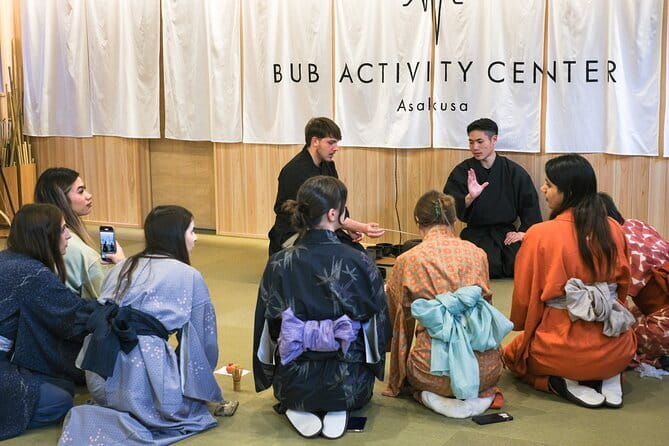
Confirmation is sent within 48 hours of booking, subject to availability. The activity is near public transportation, begins at JR Oji Station’s north entrance, and returns to the meeting point.
The listed cancellation rule allows a full refund if you cancel at least 24 hours before the start time. Changes or cancellations inside that period are not accepted for a refund. Poor weather can lead to a different date or a full refund because the experience requires suitable conditions.
I would confirm three points before finalizing:
- The exact start time, since 8:30 am conflicts with the New Year’s Eve description.
- The expected number of participants, since one account described more than 50 despite the stated maximum of 30.
- How the group will be positioned for the procession and shrine visits.
These questions are especially important because the experience runs only about three hours. A timing mistake or an unexpectedly large group has a bigger effect when the schedule is short.
Should you book the Oji Fox Pageant experience?
Book it if you want a guided, social New Year celebration that combines local shrines and folklore with food, sake, and a public procession. The fox lanterns, masks, kimono, dances, and lion dance give you a memorable alternative to a generic countdown.
I would book only after confirming the start time and current group size. The cultural content is appealing, and the included drinks and snacks help justify the price, but the reported crowd problem is the central weakness.
For the right person, this is a lively way to meet Tokyo’s New Year through one neighborhood story. For someone seeking quiet shrine time or a guaranteed view, attending the procession independently may be the wiser choice.
FAQ
Where does the experience begin?
It begins at the north entrance of JR Oji Station, at 1-chōme-10-18 Ōji, Kita City, Tokyo 114-0002, Japan.
Where does the activity end?
The activity ends back at the meeting point at JR Oji Station.
How long does the experience last?
The activity lasts approximately three hours.
What time does it start?
The supplied details list an 8:30 am start time. Because the activity is described as a New Year’s Eve event leading toward midnight, confirm the exact time before booking.
How many shrines do you visit?
The host takes you to three local shrines.
Is sake included?
Yes. Adults receive free-flow sake, beer, and other alcoholic beverages. Sake is also served in hinoki cypress masu cups.
What food is provided?
The included snacks include edamame, fried chicken, French fries, and other casual snacks. The experience also includes five kinds of snacks with the sake tasting.
What happens at the end of the experience?
You are taken to the starting point of the fox procession, where you can watch traditional dances, including a lion dance.
Is the activity suitable for underage participants?
Underage participants receive soft drinks instead of alcoholic beverages.
What happens if bad weather cancels the activity?
You are offered a different date or a full refund if poor weather causes cancellation.
Just added for this season in the world
- Wroclaw: Private 1h Christmas River Cruise★ 5.0 · 2 reviews
- Washington DC: Christmas Eve Gourmet Brunch or Dinner Cruise★ 4.2 · 6 reviews
- Washington, DC: Christmas Tree & Holiday Lights Bus Tour★ 4.5 · 4 reviews
- Windsor, Bath, Stonehenge & Salisbury with Christmas Lunch★ 4.3 · 3 reviews
- Zurich’s Enchanted Christmas: A Festive Journey★ 4.5 · 3 reviews
- Wien: Tour with locals on the trails of the Christmas Tree★ 4.6 · 7 reviews
- Vienna: Festive Season and New Year’s Eve Waltz Workshop★ 5.0 · 3 reviews
- Visit the authentic Christmas market in Obernai★ 3.0 · 3 reviews
New Year's Eve Celebrations, compared.
Christmas & New Year’s Concert in St. Peter’s Church
Read our review →
Christmas and New Year Concert at St. Peter’s Church in Vienna
Read our review →
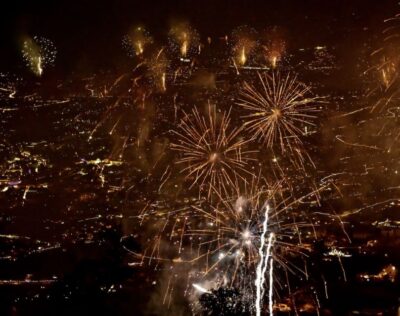
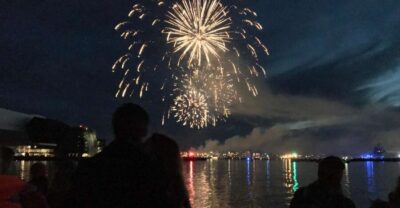

New Year’s Eve Party Cruise with Food & Live Show
Read our review →
New Year’s Eve with Live Dj Fireworks and Open Bar
Read our review →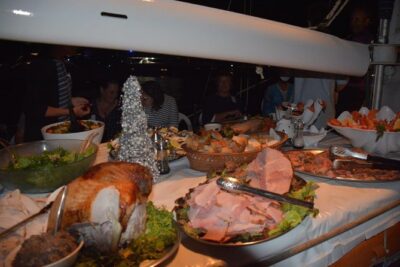
New Years Eve Sydney Harbour Cruise 2026-2027
Read our review →Browse the lists this tour appears in