
Reviewed · CHRISTMAS TOURS
Christmas on the Homefront: A 1-Hour World War II Character Tour
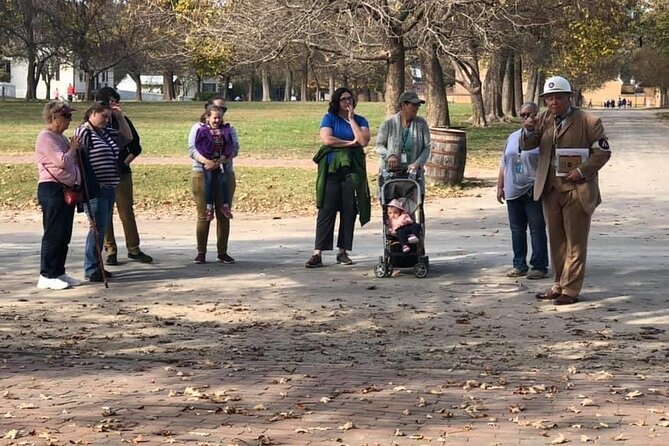
World War II in Williamsburg was not only fought overseas. This one-hour walk shows how ordinary people supported troops, watched the skies, faced segregation, raised funds, and made room for military families. The most unusual detail is the focus on Christmas, when lights out orders and holiday entertainment carried real wartime meaning.
I like the way this tour connects familiar Colonial Williamsburg sights to the 1940s. I also like its small, private format, which lets your group focus on questions rather than follow a large crowd. The main drawback is the short running time: six stops in an hour means each subject gets only about ten minutes, and admission tickets to several locations are not included.
Key points to know before you book
- Six historic stops in one hour: The route links Bruton Parish Church, the George Wythe House, West Duke of Gloucester Street, the Governor’s Palace, Merchants Square, and the Wren Building.
- Christmas with a wartime purpose: You learn how holiday tours, troop entertainment, fund drives, and blackout rules shaped life in Williamsburg.
- African American contributions are included: The stop near the Custis Tenement covers segregation and the culinary work of Lena Richards at the Travis House.
- A private walking experience: Only your group participates, making it easier to ask about local people and wartime events.
- A small keepsake comes with the tour: You receive a replica World War II Christmas card intended for the troops.
- Plan for a brisk walk: The tour lasts about an hour, requires moderate physical fitness, and can be canceled for poor weather.
Why wartime Williamsburg makes a strong Christmas story
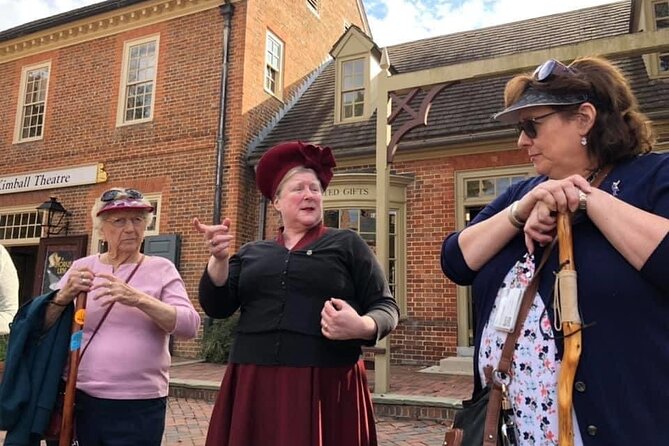
Colonial Williamsburg is usually associated with the 18th century. This tour asks you to look at the same streets through a different period, when the United States was mobilizing for World War II and Christmas carried a mix of comfort, duty, and worry.
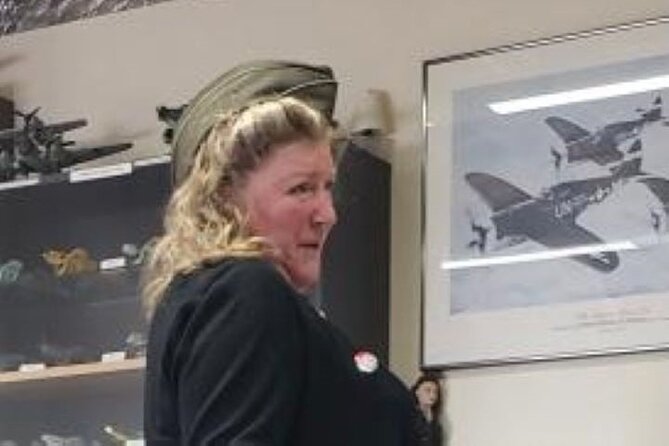
I like that the subject is not limited to soldiers. The walk considers the citizens who housed troops, the organizations that helped military families, the people who watched for aircraft, and the workers who kept food and entertainment available. That wider view gives the word homefront real meaning.
The tour also uses Christmas as a practical doorway into the period. Holiday activity did not stop because of the war, but it changed. Lights had to be controlled, soldiers needed places to go, and fund drives took on added importance. You get a picture of a town adjusting to national danger while trying to preserve a sense of normal life.
The provider, Shades of Our Past, presents the experience as a character-focused historical walk. The supplied rating is 4.8 from four published ratings, and the strongest praise centers on historical accuracy, active participation, and the dedication of the historians leading it. That matters here because the subject depends on careful explanation, not just pretty buildings.
More one-hour outings in the USA
- 1 Hour Christmastide Walking Tour in Virginia Past and Present
★ 4.0 · 5 reviews - 1 hour City Tour & Butchart Gardens: Christmas – Entry included!
★ 5.0 · 5 reviews - Wroclaw: Private 1h Christmas River Cruise
★ 5.0 · 2 reviews
Starting at Bruton Parish Episcopal Church
The walk begins at Bruton Parish Episcopal Church on West Duke of Gloucester Street. The opening stop looks at the role of churches and other local organizations during the war.
You learn how churches could help house troops and serve as observation points for spotting planes. That gives the first stop a useful sense of scale. The war was not an abstract event in Europe or the Pacific. It reached into local buildings, local schedules, and the daily responsibilities of townspeople.
This is also a good place to set the tone for the tour. The church is not being used simply as an old building to admire. Instead, you consider how a familiar civic institution could take on new wartime duties.
The stop lasts about ten minutes. Admission to the church is not included, so you should not assume the tour price covers entry inside. The stated subject is the church’s wartime role, and the guide may focus on the exterior or discuss the site as part of the walking route.
The George Wythe House and Colonial Williamsburg’s military ties
At the George Wythe House, the discussion shifts to the origins of the Colonial Williamsburg Foundation and its relationship with the military.
One important topic is the foundation’s effort to offer classes to military personnel about liberty. This creates a direct link between Williamsburg’s colonial ideals and the 20th-century war effort. You are not just hearing about an institution preserving old buildings. You are hearing how it presented ideas about freedom to people preparing for military service.
That connection is one of the tour’s stronger features. The site helps explain why Williamsburg could matter to soldiers beyond its value as a historic town. The setting offered a place where military personnel could think about the principles behind the conflict.
The George Wythe House stop also adds useful context to the tour’s central question: what was Williamsburg trying to preserve during wartime? The answer involved buildings, traditions, ideas, and public memory.
Again, admission is not included. The stop is short, so I would treat it as a focused talk rather than a full house visit.
Segregation and African American work near the Custis Tenement
On West Duke of Gloucester Street, in front of the Custis Tenement, the tour addresses segregation and the contributions of Williamsburg’s African American community during the war.
I consider this an essential part of the route. A homefront story that only discusses white institutions, military visitors, and patriotic events would be incomplete. This stop brings attention to the racial barriers of the period while also recognizing the work African Americans performed during the war.
The discussion includes Lena Richards and her culinary talents at the Travis House. Her story gives the subject a personal and practical focus. Food service was part of the wartime experience, and highlighting a specific worker helps you see how skill and labor shaped the town’s public life.
The stop is also a reminder that patriotism and inequality existed side by side. African Americans contributed to the war effort while living under segregation. That tension is not a minor side note. It is part of understanding the period honestly.
There is no admission charge for this stop. Since the talk takes place on the street, it fits naturally into a walking route and does not depend on entering a building.
More Christmas trips in the USA
- NYC: Dyker Heights Christmas Lights & Skyline View Bus Tour
★ 4.7 · 1,192 reviews - Dyker Heights Christmas Lights Guided Tour
★ 4.5 · 920 reviews - New York City: Dyker Heights Christmas Lights Tour
★ 4.4 · 838 reviews - From Manhattan: 4-Hour Brooklyn Christmas Magic Tour
★ 4.4 · 606 reviews
The Governor’s Palace and the meaning of lights out
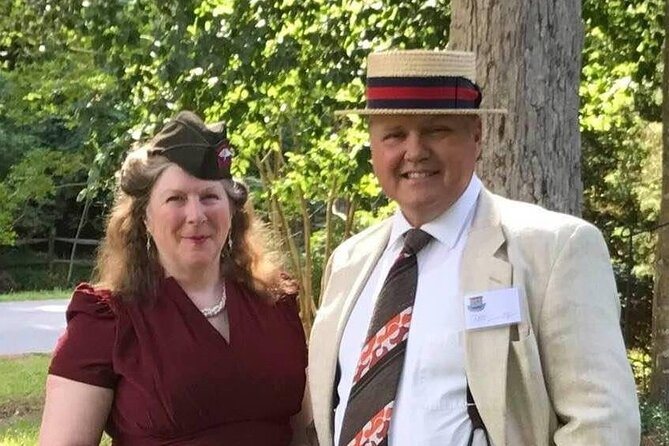
At the Governor’s Palace, the focus turns to how the war affected Williamsburg residents during the holidays.
You hear about holiday tours and the importance of lights out. Blackout rules were not simply an inconvenience. Controlling visible light was tied to the fear of aircraft detection and coastal attacks. A town that wanted to welcome holiday visitors also had to think about safety and military readiness.
This contrast makes the Palace stop especially effective. The building represents ceremony and public life, while wartime conditions demanded caution. Holiday tours could continue, but the atmosphere was shaped by a conflict that reached far beyond Williamsburg.
I also like that this stop brings civilians back into the center of the story. You consider how residents had to adapt their routines, not just how soldiers spent their free time. The tour’s Christmas focus feels most useful here because it shows how familiar seasonal customs were altered without disappearing.
Admission to the Governor’s Palace is not included. The approximately ten-minute discussion should be viewed as a historical presentation connected to the site, not as a full Palace visit.
Merchants Square, movies, and the USO
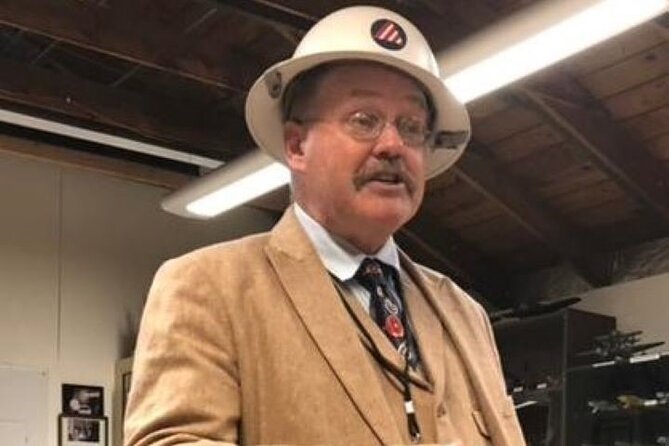
The walk continues to Colonial Williamsburg’s Merchants Square, where you learn about entertainment available to soldiers stationed in Williamsburg.
The subjects include movies and the USO. These details may sound lighter than discussions of blackout rules or segregation, but they reveal an important part of military life. Service members needed places to spend their limited free time, especially during the holidays and while stationed away from home.
The USO helped create social and recreational opportunities. Movies offered a familiar form of escape, while organized entertainment gave soldiers a connection to civilian life. In a town receiving military personnel, these services helped shape the local atmosphere.
This stop also keeps the tour from becoming too solemn. World War II history involved fear, sacrifice, and discrimination, but it also included meals, films, conversation, and efforts to make soldiers feel less isolated. I appreciate that the route allows room for all of those experiences.
Merchants Square is a practical midpoint or late stop because it places the military story in a commercial setting. You can see how shops and public gathering areas became part of the support system surrounding the armed forces.
The Wren Building and the College of William and Mary
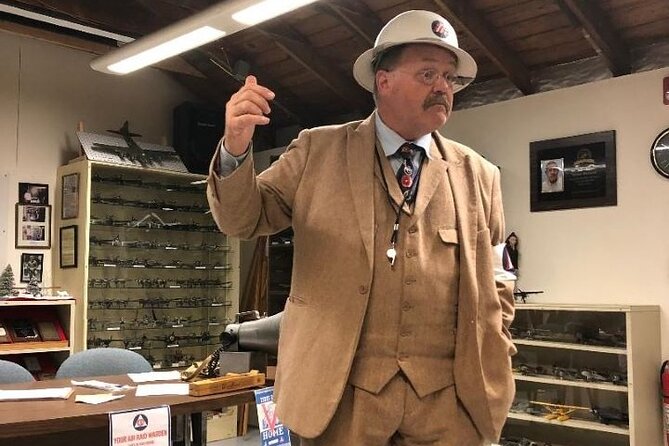
The final stop is the Wren Building on the campus of the College of William and Mary. The tour ends in front of the building at 111 Jamestown Road.
Here, the subject is the college’s wartime contribution. You learn about housing offered to military spouses, holiday fund drives, and junior hostesses supplied for the USO.
These details show how a college could support the war effort without functioning as a military base. Housing for military spouses addressed a very practical need. Fund drives connected campus life with national demands. Junior hostesses helped support the social side of military service and gave the USO another way to welcome soldiers.
The Wren Building makes a fitting final stop because it brings together education, community service, and wartime organization. It also gives you a clear endpoint on campus rather than returning you to Bruton Parish Church. Keep that in mind when planning the rest of your day.
Admission to the Wren Building is not included. The stated ending point is in front of the building, so the tour’s final talk does not promise an interior visit.
What the one-hour format means for you
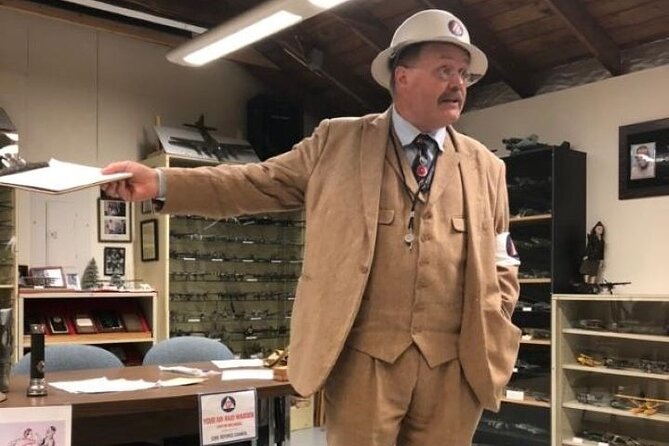
Six stops in roughly sixty minutes creates a brisk pace. Each location receives about ten minutes, which is enough for a focused explanation but not enough for a long discussion at every site.
I see this as a useful introduction rather than a full-day study of Williamsburg during World War II. You move quickly, but the route covers a good range of subjects: churches, civic institutions, race, food service, civilian life, military entertainment, higher education, and holiday customs.
The private format improves the short schedule. Because only your group participates, you can ask questions during the walk and keep the discussion connected to your interests. Still, you should not expect every question to receive a long answer if the group wants to reach all six stops on time.
The tour is offered in English and uses mobile tickets. You should arrive ready to walk outdoors, with comfortable shoes and weather-appropriate clothing. The experience requires a moderate level of physical fitness, and it depends on good weather.
Value, inclusions, and who should take it
No tour price is supplied here, so I cannot judge the dollar cost directly. I can judge what the experience offers for its time. You receive a private, one-hour historical walk, six carefully chosen locations, a Christmas card replica, and a subject that differs from the usual colonial focus.
The value is strongest if you want interpretation rather than building access. Several stops do not include admission, so anyone hoping to tour the interiors of the George Wythe House, Governor’s Palace, Wren Building, or Bruton Parish Church should plan for separate arrangements and possible additional charges.
I would recommend this tour to:
- People interested in World War II beyond battlefield stories
- Families or small groups who enjoy short, guided walks
- Visitors curious about the civilian side of military history
- Anyone wanting a closer look at African American contributions and segregation during the period
- Repeat visitors to Colonial Williamsburg who want a different historical lens
- Readers who value careful historical detail and active participation
I would be more cautious if you want a long, leisurely tour of Colonial Williamsburg’s interiors. The route is also less suitable for anyone who finds a brisk outdoor walk difficult.
The included replica Christmas card is a small item, but it fits the subject well. It gives you a physical reminder of the connection between local life and troops serving away from home.
Should you book Christmas on the Homefront?
Book it if you want a compact, thoughtful walk that uses familiar Williamsburg locations to explain an overlooked period. The best parts are the range of local contributions, the attention to segregation and African American labor, and the way Christmas customs reveal wartime pressures.
Skip it if your main goal is interior access to the major historic buildings or a slow tour with extensive time at each stop. For the right audience, this is a strong one-hour addition to a Williamsburg visit, especially for anyone who wants the homefront story to include civilians, institutions, military families, and the people who kept daily life moving.
Free cancellation is available until 24 hours before the start time. If poor weather forces a cancellation, you can choose another date or receive a full refund.
FAQ
How long does the Christmas on the Homefront tour last?
The tour lasts approximately one hour.
Where does the tour begin?
The tour begins at Bruton Parish Episcopal Church, 201 West Duke of Gloucester Street, Williamsburg, Virginia 23185.
Where does the tour end?
The tour ends in front of the Wren Building on the campus of the College of William and Mary, at 111 Jamestown Road, Williamsburg, Virginia 23185.
Is the tour offered in English?
Yes. The experience is offered in English.
Is this a private tour?
Yes. Only your group participates in the activity.
What is included with the tour?
A replica World War II Christmas card for the troops is included.
Are admission tickets to the historic sites included?
No. Admission tickets are not included for Bruton Parish Episcopal Church, the George Wythe House, the Governor’s Palace, or the Wren Building. The West Duke of Gloucester Street stop has free admission.
Are service animals allowed?
Yes. Service animals are allowed.
What happens if the weather is poor?
The experience requires good weather. If it is canceled because of poor weather, you will be offered a different date or a full refund. You can also cancel up to 24 hours before the start time for a full refund.
Just added for this season in the USA
- Washington DC: Christmas Eve Gourmet Brunch or Dinner Cruise★ 4.2 · 6 reviews
- Washington, DC: Christmas Tree & Holiday Lights Bus Tour★ 4.5 · 4 reviews
- Downtown DC Holiday Tour: Lights, Decorations & Festive Cheer★ 5.0 · 3 reviews
- Washington DC New Year’s Day Premier Brunch Cruise★ 5.0 · 4 reviews
- St. Louis Private Christmas Spectacular Tour★ 3.5 · 5 reviews
- Totally Made-Up Hallmark Christmas Movie★ 5.0 · 5 reviews
- Festive Flavors of Pike Place Market Holiday Food Tour★ 5.0 · 5 reviews
- Leavenworth Christmas Lights Tour from Seattle★ 4.0 · 7 reviews
Christmas Tours, compared.
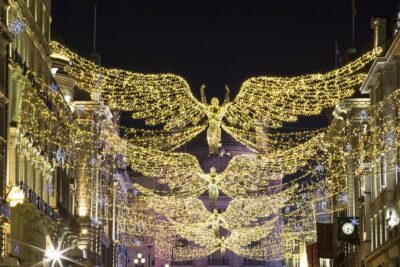
London by Night Bus Tour with Christmas Lights and Live Guide
Read our review →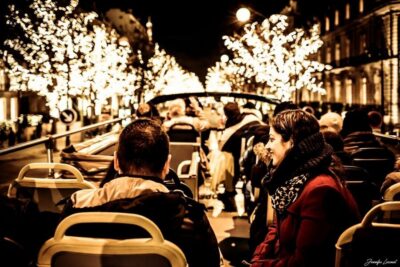
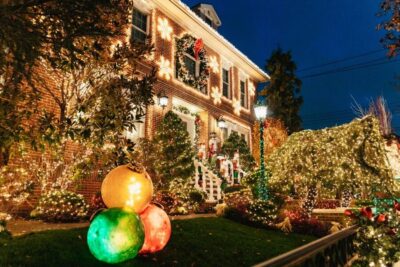
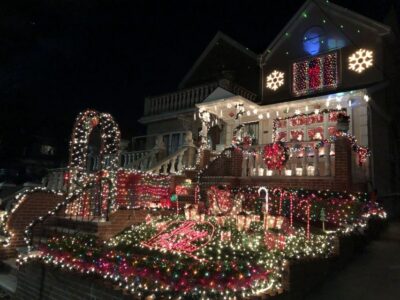
Dyker Heights Christmas Lights & Skyline View Bus Tour
Read our review →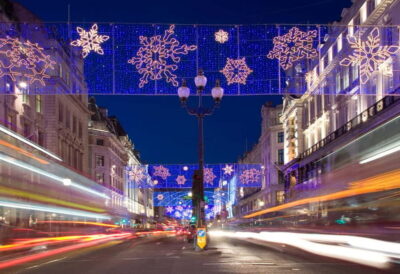
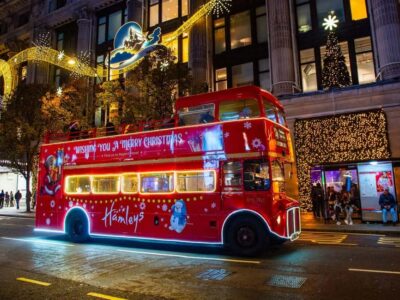
London Christmas Lights Tour by Vintage Bus Open Top
Read our review →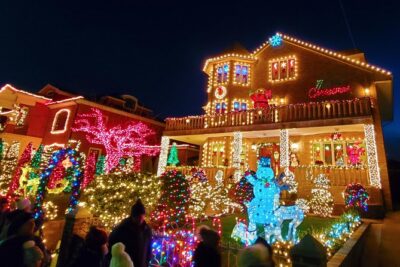
Browse the lists this tour appears in