
Reviewed · PRIVATE CHRISTMAS TOURS
From Ypres, The Christmas Truce to Passchendaele Ypres Based WW1 private tour
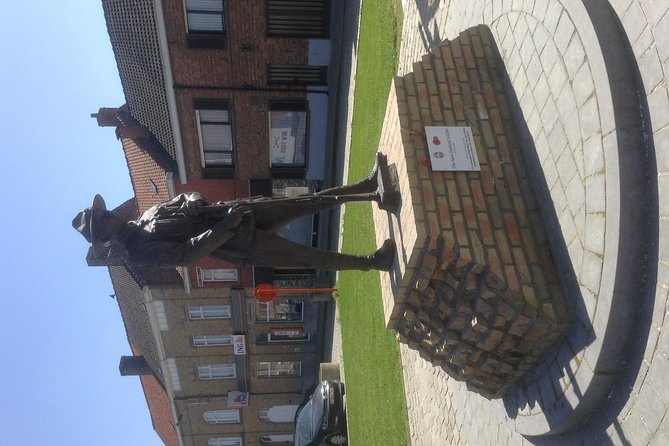
Messines Ridge is where this tour earns its keep. In one stop, you connect the Christmas Truce, the Battle of Messines, wartime mine craters, and the crypt where Adolf Hitler was treated for wounds. Soren then carries that story forward through Australian positions, cemeteries, and the road to Passchendaele.
I like the private format, which lets Soren adjust the day to your family connections and level of WWI knowledge. I also like the mix of famous places, such as Tyne Cot and Menin Gate, with more personal sites, including Pat Bugden VC’s grave and the Australian tunnelling works at Hill 60.
The main consideration is the price: $420.49 per person is a serious outlay, especially for a small party. Lunch is not included, and the day covers a large area, so this suits visitors who want detailed battlefield interpretation rather than a quick sightseeing circuit.
Key points worth knowing
- Messines Ridge links several major stories: the Christmas Truce, mine warfare, the Battle of Messines, and Hitler’s wartime treatment.
- Soren customizes the route: family names, national connections, and specific questions can shape the day.
- The tour is private: only your party participates, with pickup available from Ypres-based hotels.
- You see both famous and quieter sites: Tyne Cot and Menin Gate are paired with bunkers, gun positions, craters, and Australian memorials.
- Sanctuary Wood adds physical atmosphere: original WWI trenches and a small museum make the conflict easier to picture.
- Plan for a full day: the tour begins at 9:00 a.m., lasts about eight hours, and includes walking at several stops.
Why Messines Ridge is the right place to begin
The day starts at 9:00 a.m. with pickup in Ypres. From there, Messines Ridge provides a strong opening because the ground holds several layers of the war’s story.
You hear about the Battle of Messines and visit mine craters created by the huge underground explosions of 1917. You also hear about the Christmas Truce, the rare moment when soldiers on opposing sides are associated with informal contact during the holiday period. These subjects are not treated as isolated anecdotes. The point of a private guide is to connect the people, terrain, and military decisions.
The stop lasts about two hours, making it one of the longest on the route. That is useful if you want time to ask questions or connect the site to a relative’s service record. It also means the tour does not rush straight through the opening chapter.
A particularly unusual detail here is the crypt where Adolf Hitler was treated for wounds. This is a small but striking link between the First World War and the later history of Europe. Soren’s approach, based on the tour’s structure and the experiences described by past clients, is to use such details as part of a wider story rather than as isolated curiosities.
More Private Christmas Tours in the world
- New York City Christmas Lights Private Horse Carriage Ride
★ 4.5 · 237 reviews - Christmas Lights Tour of Madrid in Eco Tuk Tuk Private
★ 5.0 · 125 reviews - Christmas in New York: Private Holiday History Tour
★ 5.0 · 107 reviews
Hooge Crater and the Australian line toward Passchendaele
Hooge Crater Cemetery is a short stop of about 15 minutes, but it has a clear focus. You visit the grave of Pat Bugden VC, who was only 20 when he received the Victoria Cross. If military decorations interest you, this is the kind of visit where a name becomes more than a line on a memorial.
You also stand on the Menin Road beside the area where Australian gun pits supported the assault on Passchendaele. The road itself helps you understand movement through the Ypres Salient. Maps can show an advance, but standing beside the route gives the operation a more practical frame: roads mattered for guns, supplies, command, and evacuation.
The brief timing means you should not expect a long walk or extended cemetery study here. It works best as part of the wider sequence, with Soren explaining how this point fits into the Australian advance.
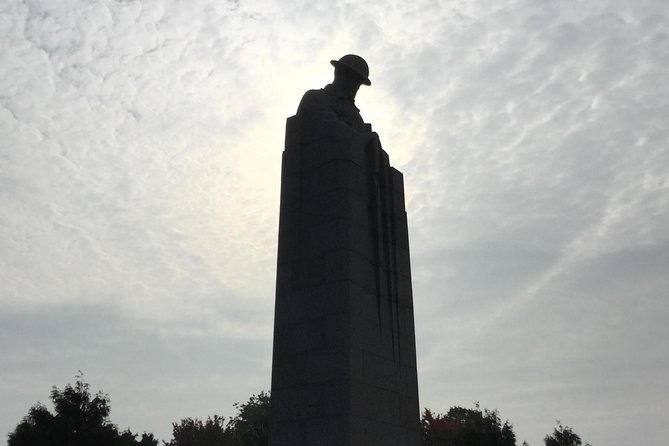
The next stop, known as The Black Watch, adds another layer. This was the location of Australian headquarters in September 1917, and you also hear about earlier action on the same ground in November 1914. That return to the same area at different points in the war is valuable. It shows how the front changed, while also showing how certain pieces of ground remained important.
Polygon Wood, bunkers, and an Australian memorial
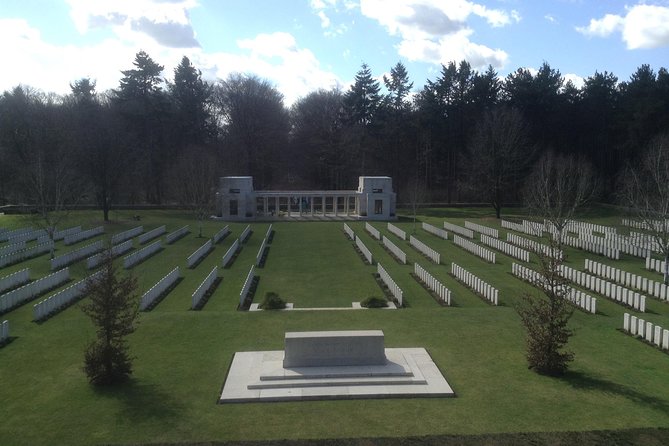
At Polygon Wood, you walk through woodland and see concrete bunkers that remained from the fighting. The stop also includes a cemetery and the Australian 5th Division monument.
This is one of the more physical parts of the tour. You are not simply looking at a polished memorial from a car park. You walk among trees, wartime structures, and graves, using the setting to picture the conditions faced by the soldiers who captured the area.
The stop lasts about 30 minutes. That is enough for a focused visit, though anyone wanting long stretches of quiet reflection at every cemetery may find the overall schedule brisk. This is an eight-hour route with eleven listed points, so Soren has to keep the day moving.
I like the contrast here. Cemeteries give you names and dates. Bunkers show the hard material of the war. The monument provides a national memory of the Australian role. Taken together, they make Polygon Wood more useful than a simple photo stop.
Hill 60 and the force beneath your feet
Hill 60 is another major stop, lasting about 45 minutes. Here Soren tells the story of Captain Woodward and the 1st Australian Tunnelling Company, which placed a massive mine beneath the position. The mine exploded at 3:10 a.m. on June 7, 1917, and you see the crater created by the blast.
This is a strong example of why a guide matters at battlefield sites. The crater is visible, but without the timing, names, unit, and engineering story, it can be hard to understand what you are looking at. Soren’s explanation gives the feature a military purpose and a human scale.
Hill 60 is also a good stop for anyone interested in tunnel warfare. The war here was not only fought across open ground. Men worked underground, often in dangerous and cramped conditions, trying to place explosives beneath enemy positions while avoiding detection.
The tour then drives through Broodseinde and Zonnebeke, following the line of the Australian advance. These are driving sections rather than extended visits. That matters when planning your expectations: you receive geographical context, but you are not promised a separate walking tour at each location.
More Christmas trips in the world
- London: Christmas Lights Bus Tour With Live Guide
★ 4.0 · 5,410 reviews - London by Night Bus Tour with Christmas Lights and Live Guide
★ 4.5 · 2,040 reviews - Paris: Tootbus Open-Top Christmas Bus Tour
★ 4.0 · 1,365 reviews - NYC: Dyker Heights Christmas Lights & Skyline View Bus Tour
★ 4.7 · 1,192 reviews
Tyne Cot puts the scale of the war into numbers
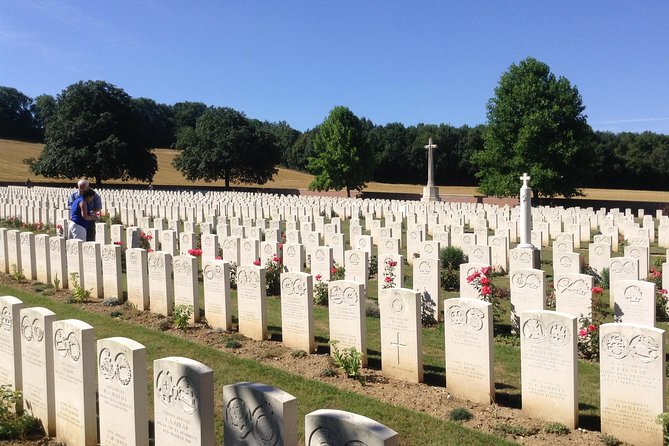
Tyne Cot Cemetery is one of the day’s most important stops, with about 45 minutes set aside. It is described as the world’s largest Commonwealth War Graves Commission cemetery, with around 12,000 soldiers buried there. Only about 3,000 have names, while the rest are unidentified.
Numbers can feel abstract, but Tyne Cot makes them visible. The rows of graves and the memorial listing missing soldiers show the scale of the losses around the Ypres Salient. You also visit the graves of two Australian Victoria Cross recipients, giving the vast cemetery a more personal focus.
If your family served in the war, tell Soren before the tour or at the start of the day. Family research is a major strength of this experience. He has tailored visits around relatives from different countries, including South African connections, and has helped connect individual service stories to the ground where events occurred.
You should not assume every family name can be located on the spot, but the private setup gives you a better chance of discussing specific ancestors than a large coach tour would. Soren has also provided follow-up links, books, films, and podcasts for people who wanted to continue their research after the day.
John McCrae’s site and the making of a famous poem
The John McCrae site receives about 30 minutes. You visit the hospital location associated with Lieutenant Colonel John McCrae, where he composed In Flanders Fields.
This stop works best for visitors who want to connect literature with wartime medical service. The poem is familiar to many people, but the site places it within the setting of the Ypres fighting and the care of wounded soldiers.
It is also a useful pause after the scale of Tyne Cot. Rather than focusing on thousands of graves, the McCrae stop narrows the lens to one officer, one hospital site, and one piece of writing that shaped how later generations remembered the war.
Because the tour is private, you can ask about the poem, McCrae, or the medical side of the conflict without waiting for a large group to move on. That flexibility is one of the clearest reasons to choose this format.
Menin Gate and the 55,000 missing
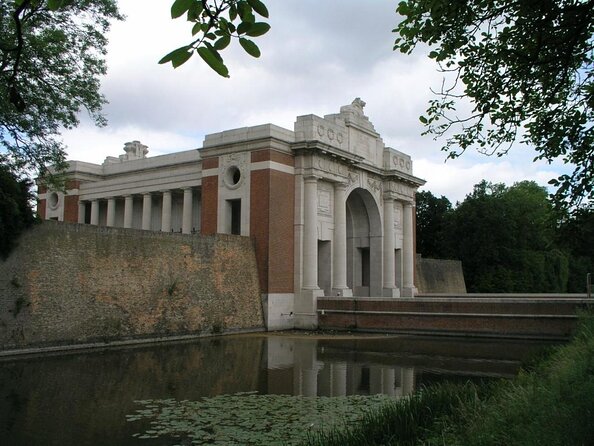
The Menin Gate Memorial is the final major Ypres stop, with about 20 minutes planned. Soren explains how the memorial came about and discusses the 55,000 names listed there for soldiers reported missing.
The memorial is one of the best-known places in Ypres, but fame does not remove its emotional force. The long list of names shows how many men had no known grave. A guide adds useful context by explaining what the memorial represents and how it fits into the town’s remembrance of the war.
Twenty minutes is enough for an introduction and a focused look, but not for an extended ceremony or long independent reading of the names. If you have a particular relative listed there, give Soren the details in advance so the visit can be shaped around that connection.
The route ends with Sanctuary Wood Museum, where you see original WWI trenches and a small WWI museum. This is the only attraction specifically listed as having an admission ticket included. The trenches offer a direct physical reminder of the conditions soldiers faced, while the museum adds objects and displays to the outdoor setting.
What the private format changes
A private tour is more than a smaller vehicle. It changes how you use the day.
Soren can adjust the level of explanation to your background. If you already know the broad story of the Western Front, you can focus on unit movements, family records, or Australian operations. If WWI history is new to you, he can build the basic sequence before adding detail.
The guide has also made a point of connecting visits to family members. One day can focus on a great-grandfather’s movements from landing to death. Another can include South African graves or other national links. That kind of preparation is difficult to get from a standard group tour.
The private format also lets you ask questions as they arise. You are not limited to the information needed to keep a large group on schedule. Still, the day remains structured, so customization does not mean every stop can become a long research session.
Soren is an English-speaking guide from London who has lived in the Ypres area for about 15 years. His personal connection to the region is part of the tone of the tour. His great-uncle died there, and he has described his first visit to the Ypres area as feeling like coming home. For an English-speaking visitor, that combination of local familiarity and personal interest can add warmth to an otherwise sombre day.
Price, timing, and what you receive
At $420.49 per person, this is not a budget tour. The value depends heavily on your group size and your reason for visiting.
For a couple with family members buried in the Ypres Salient, the price may make sense because the day is built around your interests and includes private transport, a full-time guide, pickup in Ypres, bottled water, and the trench museum. You are also covering a wide area in one day without having to work out the route yourself.
For a solo visitor, the per-person cost is harder to justify, and the tour requires at least two guests. A group of family members can share the private experience, but each person still pays the listed rate.
Lunch is not included, so plan for that cost separately. The supplied information does not specify a lunch stop, so ask about the day’s practical schedule when confirming your booking.
Pickup is offered from Ypres-based locations only. If you need to start in Lille, Arras, or Bruges, a different listing is required. Confirmation is sent within 48 hours of booking, subject to availability.
The tour is offered in English. Service animals are allowed, and the activity is near public transportation. Most people can participate, but you should expect walking at cemeteries, woods, craters, and trench sites.
Who should book this Ypres battlefield tour
I would choose this tour if you want more than a list of famous names. It suits people with relatives connected to the First World War, visitors with a strong interest in Australian military history, and anyone who wants the geography explained instead of simply photographed.
It is also a good choice if you have one day in Ypres and want to cover Messines, Passchendaele-related sites, Tyne Cot, Menin Gate, McCrae’s site, and Sanctuary Wood without arranging separate transport.
You might prefer a shorter or less focused outing if you want plenty of free time in town, a casual sightseeing pace, or a tour centered mainly on museums. The itinerary is packed, and the subject is serious throughout.
The tour has a 4.9 rating from 29 ratings, with 97 percent recommending it. The strongest praise centers on Soren’s preparation, clear explanations, personal attention, and willingness to connect the route to individual family stories. One practical benefit is the follow-up material he has supplied after tours, including links and suggestions for further research.
Should you book it?
Book this tour if your visit to Ypres is about understanding the ground, not just ticking off sights. Soren’s strength is the connection between place, military action, and individual names. The itinerary gives you major memorials, but it also includes craters, bunkers, gun positions, trenches, and less obvious points along the Australian advance.
Before booking, have your family names, units, dates, or countries of service ready. That preparation can make the private format far more valuable. Also make sure your party has at least two people, arrange an Ypres pickup, and budget separately for lunch.
For a couple or family with a genuine WWI connection, the cost can be justified by the tailored attention and the amount of ground covered. For a casual visitor seeking a light introduction, the day may feel long and expensive. For the right audience, though, this is a serious, personal, and well-focused way to see the Ypres Salient.
FAQ
Where does the tour start?
The tour starts with pickup from an Ypres-based location at 9:00 a.m. Pickup is offered in Ypres only for this experience.
Can the tour start in Lille, Arras, or Bruges?
Not through this particular tour. Separate listings are available for starts in Lille, Arras, or Bruges.
How long does the tour last?
The experience lasts approximately eight hours.
Is this a private tour?
Yes. Only your own party participates, and the route can be customized to your interests.
How many people are required to book?
A minimum of two guests is required.
What language is the tour offered in?
The tour is offered in English.
Is lunch included?
No. Lunch is not included in the tour price.
What is included in the price?
The tour includes bottled water, pickup from select Ypres hotels, the private guided experience, and admission to the trench museum at Sanctuary Wood.
Can I cancel for a full refund?
Yes. You can cancel at least 24 hours before the experience start time for a full refund. Changes or cancellations made less than 24 hours before the start time are not accepted for a refund.
Just added for this season in the world
- Christmas Cruise in Wrocław 45 Minutes on the Old Town★ 4.0 · 128 reviews
- Wrocław: Christmas Cruise by Heated Ship with Mulled Wine★ 3.6 · 60 reviews
- Excursion to Colmar and Ribeauvillé to the Christmas market★ 4.5 · 3 reviews
- Private Christmas Walking Tour of Frankfurt with Bethmännchen★ 5.0 · 5 reviews
- Private Munich Christmas Walking Tour + Glühwein & Snacks★ 4.5 · 4 reviews
- Munich Christmas Market Private Walking Tour With A Professional Guide★ 4.5 · 7 reviews
- Guided Stockholm Christmas Tour★ 4.5 · 7 reviews
- Alsace Christmas Markets & Fairy Tale Villages Private Tour from Strasbourg★ 5.0 · 10 reviews
Private Christmas Tours, compared.

New York City Christmas Lights Private Horse Carriage Ride
Read our review →
Christmas Lights Tour of Madrid in Eco Tuk Tuk Private
Read our review →
Christmas in New York: Private Holiday History Tour
Read our review →
London Christmas Lights Private Tour by Traditional Black Cab
Read our review →


Private Christmas Tour in Münster including Glühwein
Read our review →Browse the lists this tour appears in